

Dale Carnegie’s book “How to Win Friends and Influence People” has sold over 30 million copies worldwide, making it one of the bestselling books in history. Yet most people who’ve heard his name have never actually read his work or applied his principles.
I’m going to show you everything about Carnegie: his fascinating life story, the books that changed millions of lives, the courses that continue his legacy, and most importantly, the specific principles you can apply today to improve your relationships, career, and influence. Whether you’re struggling with communication, leadership, or just want to connect better with people, Dale Carnegie’s wisdom remains as relevant now as it was nearly a century ago.
Table of Contents
Who Was Dale Carnegie?
Before we dive into his teachings, let’s understand the man behind the principles.
The Early Life of Carnegie
Dale Carnegie was born Dale Carnagey on November 24, 1888, in Maryville, Missouri. He grew up on a farm in poverty, where his family struggled financially throughout his childhood.
The Humble Beginnings: Young Carnegie milked cows, cut wood, and did farm chores before and after school. His family was so poor they couldn’t afford to board him at the state teachers’ college, so he commuted on horseback each day.
Despite these hardships—or perhaps because of them—Dale Carnegie developed a hunger for self-improvement and success that would define his entire life.
Finding His Voice
At State Teachers College in Warrensburg, Missouri, Dale Carnegie discovered something that changed everything: public speaking and debate.
The Transformation: He joined the debate team and began winning competitions. For the first time, this poor farm boy found something he excelled at—communicating and persuading others. This discovery became the foundation of everything Dale Carnegie would later teach.
The Struggling Years
After college, Dale Carnegie took various jobs:
- Sold correspondence courses to ranchers
- Worked as a salesman for Armour and Company (meat packing)
- Tried his hand at acting (and failed miserably)
- Even considered becoming a novelist
Each failure taught him valuable lessons about human nature, sales, and influence. These experiences, though painful at the time, provided the real-world education that would later make Dale Carnegie one of the most influential teachers of his generation.
The Breakthrough Moment
In 1912, at age 24, Dale Carnegie approached the manager of a YMCA in New York City with a proposition: let him teach a class on public speaking to businessmen.
The Deal: The YMCA wouldn’t pay him a salary. Instead, Dale Carnegie would work on commission—receiving a percentage of the net proceeds if the class was profitable.
The class was an immediate success. Word spread quickly, and within a short time, Dale Carnegie was earning $30 per night (equivalent to about $850 today)—more than most college professors made in a week.
Dale Carnegie Books: The Complete Collection
Let’s explore the books that made Dale Carnegie a household name.
“How to Win Friends and Influence People” by Dale Carnegie
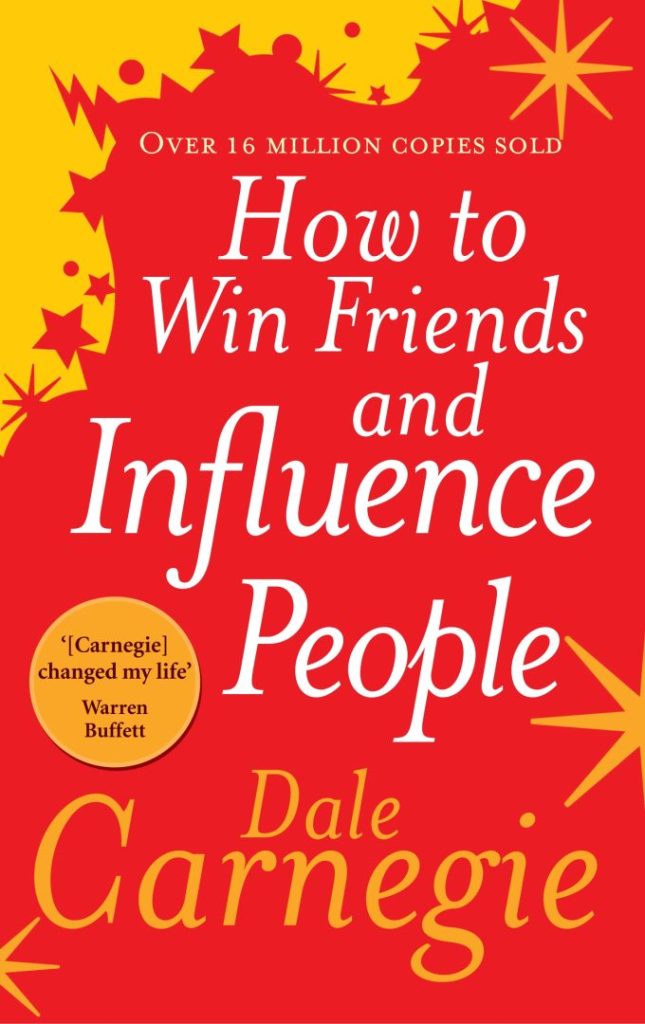
Published: 1936 Impact: Over 30 million copies sold worldwide
This is the book that started it all. Dale Carnegie wrote it based on his courses and years of observing what actually works in human relationships.
Core Principles:
Part One: Fundamental Techniques in Handling People
- Don’t criticize, condemn, or complain
- Give honest and sincere appreciation
- Arouse in the other person an eager want
Part Two: Six Ways to Make People Like You
- Become genuinely interested in other people
- Smile
- Remember that a person’s name is to that person the sweetest sound
- Be a good listener and encourage others to talk about themselves
- Talk in terms of the other person’s interests
- Make the other person feel important—and do it sincerely
Part Three: How to Win People to Your Way of Thinking
- The only way to get the best of an argument is to avoid it
- Show respect for the other person’s opinions
- If you’re wrong, admit it quickly and emphatically
- Begin in a friendly way
- Get the other person saying “yes, yes” immediately
- Let the other person do a great deal of the talking
- Let the other person feel the idea is theirs
- Try honestly to see things from the other person’s point of view
- Be sympathetic with the other person’s ideas and desires
- Appeal to the nobler motives
- Dramatize your ideas
- Throw down a challenge
Part Four: Be a Leader: How to Change People
- Begin with praise and honest appreciation
- Call attention to people’s mistakes indirectly
- Talk about your own mistakes before criticizing others
- Ask questions instead of giving direct orders
- Let the other person save face
- Praise the slightest improvement and praise every improvement
- Give the other person a fine reputation to live up to
- Use encouragement
- Make the fault seem easy to correct
- Make the other person happy about doing what you suggest
Why This Book Still Matters: In our digital age, these principles are more important than ever. Social media and email have made communication easier but less personal. Dale Carnegie’s focus on genuine human connection provides a counterbalance to our increasingly isolated digital lives.
“How to Stop Worrying and Start Living” by Dale Carnegie
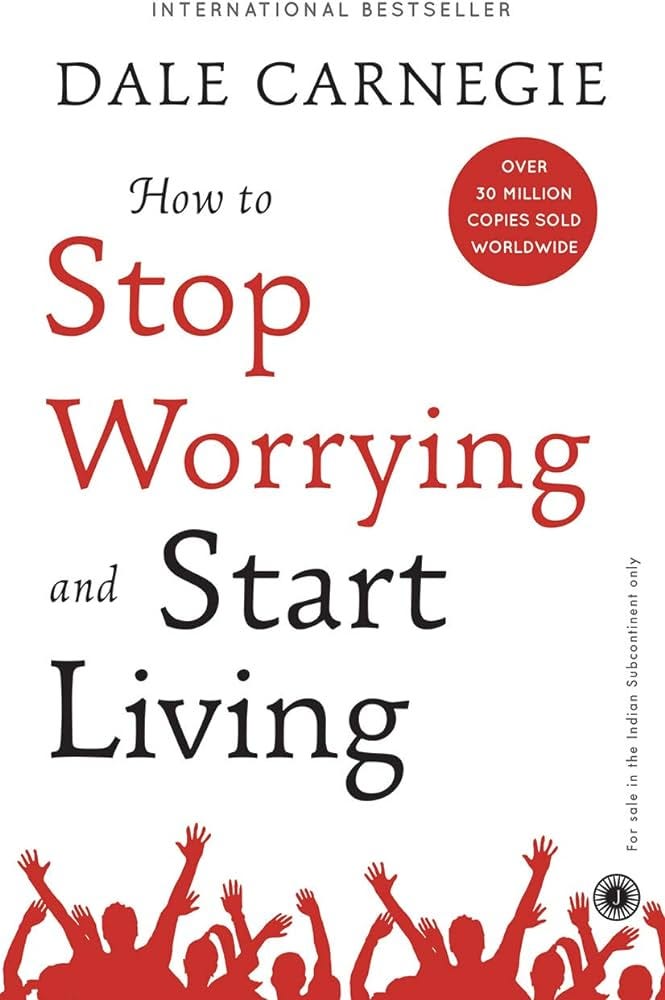
Published: 1948 Focus: Mental health and stress management
While “How to Win Friends” focused on external relationships, this Dale Carnegie book addresses our internal struggles with anxiety, stress, and worry.
Key Concepts:
Basic Techniques for Analyzing Worry:
- Live in day-tight compartments (focus on today only)
- Apply the magic formula: Ask yourself, “What’s the worst that could possibly happen?”
- Remind yourself of the price you’re paying for worry
How to Break the Worry Habit:
- Keep busy
- Don’t fuss about trifles
- Use the law of averages to outlaw your worries
- Accept the inevitable
- Put a stop-loss order on your worries
- Don’t try to saw sawdust (don’t worry about the past)
Seven Ways to Cultivate a Mental Attitude:
- Fill your mind with thoughts of peace, courage, health, and hope
- Never try to get even with your enemies
- Expect ingratitude
- Count your blessings—not your troubles
- Do not imitate others
- Try to profit from your losses
- Create happiness for others
Modern Relevance: With anxiety and depression at all-time highs, Dale Carnegie’s practical advice for managing worry feels remarkably prescient. He wasn’t a therapist, but his common-sense approaches have helped millions cope with stress.
“The Quick and Easy Way to Effective Speaking” by Dale Carnegie
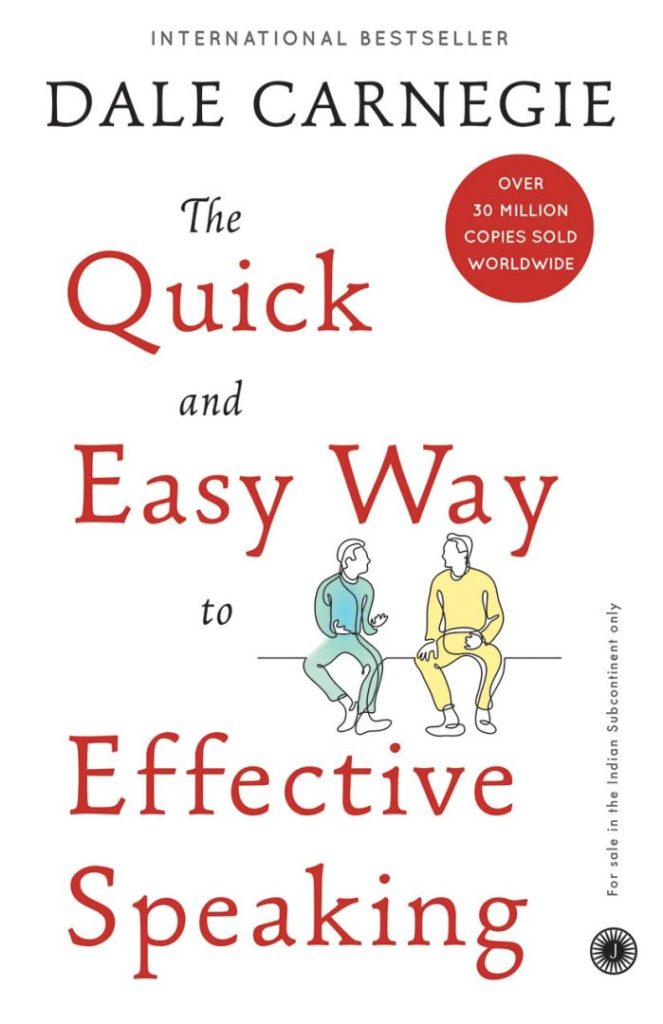
Published: 1962 (posthumously revised) Original Title: “Public Speaking and Influencing Men in Business”
This Dale Carnegie book focuses specifically on the skill that launched his career: public speaking.
Core Lessons:
Developing Courage and Self-Confidence:
- Speak about something you’ve earned the right to talk about
- Don’t try to be perfect
- Practice, practice, practice
The Secret of Good Delivery:
- Be conversational
- Use your natural voice
- Be enthusiastic
Platform Presence:
- Don’t imitate others
- Be yourself at your best
- Connect with your audience
Practical Application: Even if you never give formal speeches, these Dale Carnegie principles apply to presentations at work, meetings, or any time you need to communicate ideas effectively.
Other Dale Carnegie Books and Publications
“How to Enjoy Your Life and Your Job” A compilation extracted from his other works, focusing on finding satisfaction in daily life.
“The Leader in You” Published posthumously, this book applies Dale Carnegie principles specifically to leadership and management.
“Dale Carnegie’s Lifetime Plan for Success” A collection of his teachings organized into a comprehensive personal development program.
The Dale Carnegie Course: What It Is and How It Works
The Dale Carnegie Training organization continues his legacy through courses offered worldwide.
What Is the Dale Carnegie Course?
The Dale Carnegie Course is an experiential training program focused on developing communication skills, leadership abilities, and self-confidence.
Core Components:
Communication Skills:
- Public speaking practice
- Impromptu speaking exercises
- Presentation development
- Storytelling techniques
Human Relations:
- Applying Dale Carnegie principles
- Building stronger relationships
- Conflict resolution
- Influencing others positively
Leadership Development:
- Team building
- Motivation techniques
- Delegation skills
- Performance management
Self-Confidence:
- Overcoming fear
- Building positive attitudes
- Managing stress
- Setting and achieving goals
How the Dale Carnegie Course Works
Format: Typically runs 8-12 weeks with weekly sessions of 3-4 hours each.
Methodology:
- Highly interactive and experiential
- Participants give multiple presentations
- Immediate feedback from instructors and peers
- Real-world application assignments between sessions
Group Size: Classes typically include 20-30 participants from diverse backgrounds and industries.
Investment: Courses typically cost $1,500-$2,500 depending on location and format.
Who Should Take a Dale Carnegie Course?
Ideal Candidates:
- Professionals who need to improve presentation skills
- Leaders and managers developing their teams
- Salespeople wanting to build rapport and influence
- Anyone who fears public speaking
- Individuals seeking personal development
What You’ll Gain:
- Increased confidence in speaking and presenting
- Better relationships at work and home
- Enhanced leadership capabilities
- Improved ability to influence and persuade
- Greater self-awareness
Dale Carnegie Course Reviews and Results
Common Positive Feedback:
- Life-changing confidence boost
- Practical, immediately applicable skills
- Supportive, encouraging environment
- Lasting friendships and network connections
Common Criticisms:
- Expensive compared to online alternatives
- Time commitment can be challenging
- Some find the enthusiasm overwhelming at first
- Techniques require consistent practice to maintain
The Verdict: For people committed to personal development and willing to invest time and money, the Dale Carnegie Course delivers significant value. However, you can also gain tremendous benefit just by reading Dale Carnegie books and applying the principles on your own.
Dale Carnegie: How to Win Friends and Influence People – Deep Dive
This book deserves special attention because it’s arguably the most influential personal development book ever written.
Why “How to Win Friends” Changed Everything
Before Dale Carnegie, self-help books focused on building character through willpower and moral virtue. Dale Carnegie took a different approach: focus on understanding human nature and working with it, not against it.
The Revolutionary Shift: Instead of changing yourself fundamentally, Dale Carnegie taught that you could achieve more by changing how you interact with others. This practical, behavior-focused approach made self-improvement accessible to everyone.
Applying Dale Carnegie Principles Today
In Professional Settings:
Principle: Give honest and sincere appreciation
- Send specific thank-you notes to colleagues
- Publicly recognize team members’ contributions
- Notice and acknowledge good work immediately
Principle: Remember names
- Use the person’s name in conversation
- Write down names after meeting someone
- Create memory associations to help recall
Principle: Be a good listener
- Put your phone away during conversations
- Ask follow-up questions
- Summarize what you heard to confirm understanding
In Personal Relationships:
Principle: Don’t criticize or complain
- Focus on what you appreciate about others
- Address issues with “I feel” statements rather than accusations
- Choose your battles wisely
Principle: Show genuine interest
- Ask about others’ lives, interests, and challenges
- Remember details they share and follow up later
- Support their goals and celebrate their successes
Principle: Admit when you’re wrong
- Apologize quickly and sincerely
- Don’t make excuses or shift blame
- Focus on what you’ll do differently
The Psychology Behind Dale Carnegie’s Methods
Modern psychology has validated many Dale Carnegie principles:
Reciprocity: When you give appreciation, people naturally want to reciprocate. Dale Carnegie understood this decades before it was formally studied.
Confirmation Bias: People seek information that confirms their existing beliefs. Dale Carnegie’s advice to let others feel ideas are theirs works because people are more committed to their own ideas.
Social Proof: We’re influenced by what others do. Dale Carnegie’s emphasis on giving people a reputation to live up to leverages this principle.
Emotional Intelligence: Dale Carnegie essentially taught emotional intelligence before the term existed—recognizing and managing emotions in yourself and others.
Dale Carnegie Books: Which One Should You Read First?
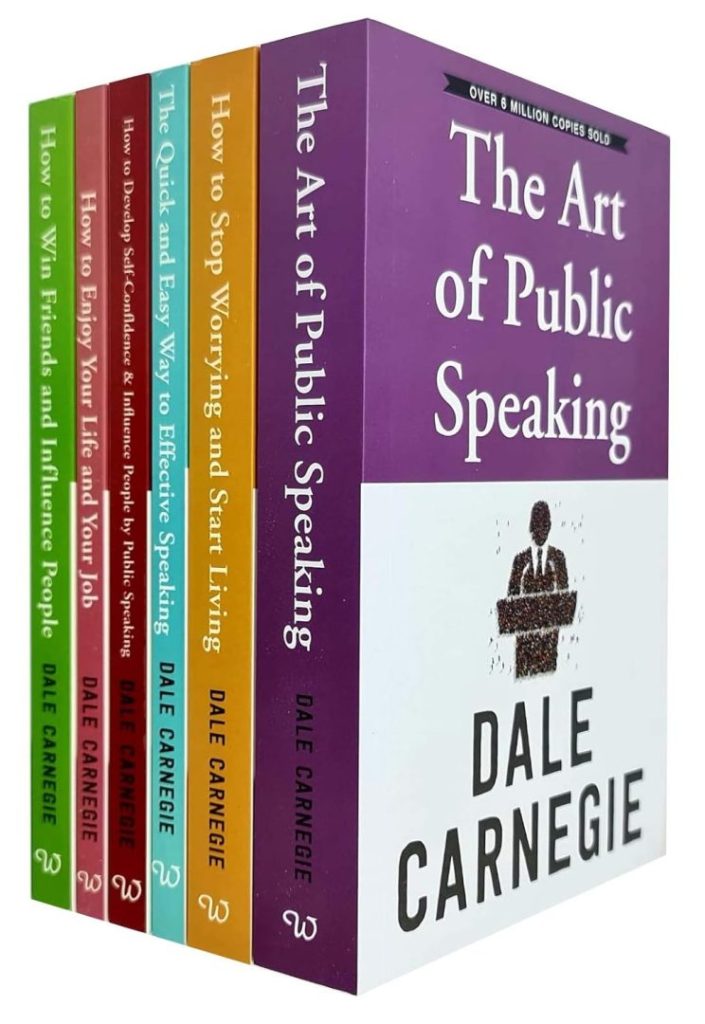
Let’s help you choose the right starting point.
Start with “How to Win Friends and Influence People” If You:
- Struggle with relationships or feel socially awkward
- Want to improve your influence at work
- Feel like people don’t listen to you
- Want practical advice you can apply immediately
- Need to improve sales or persuasion skills
Start with “How to Stop Worrying and Start Living” If You:
- Deal with anxiety or chronic stress
- Lie awake at night worrying
- Feel overwhelmed by life’s challenges
- Need mental health strategies
- Want to develop emotional resilience
Start with “The Quick and Easy Way to Effective Speaking” If You:
- Have an upcoming presentation or speech
- Fear public speaking
- Need to improve work presentations
- Want to become more articulate
- Seek confidence in communication
The Recommended Reading Order
For Most People:
- “How to Win Friends and Influence People” – Foundation for all relationships
- “How to Stop Worrying and Start Living” – Internal emotional management
- “The Quick and Easy Way to Effective Speaking” – External communication skills
This progression builds from external relationships to internal peace to effective expression.
What Was the Religion of Dale Carnegie?
This question often arises because Dale Carnegie frequently referenced faith and spiritual principles in his work.
Dale Carnegie’s Religious Background
Dale Carnegie was raised in a Christian household and maintained Christian beliefs throughout his life, though he wasn’t rigidly denominational.
His Approach:
- Referenced Bible verses and Christian principles
- Incorporated wisdom from multiple faith traditions
- Focused on universal human values
- Never pushed specific religious dogma
- Emphasized practical application over theology
Spirituality in Dale Carnegie’s Teachings
“How to Win Friends and Influence People”: While not explicitly religious, the book embodies Christian principles like:
- Treating others as you’d want to be treated (Golden Rule)
- Putting others first
- Forgiveness and avoiding judgment
- Serving rather than being served
“How to Stop Worrying and Start Living”: This Dale Carnegie book contains more explicit religious content:
- Quotes from the Bible, especially the Sermon on the Mount
- References to prayer and faith
- Stories of people finding peace through spiritual practices
- However, also includes secular stress-management techniques
The Universal Appeal
What makes Dale Carnegie’s work powerful is that his principles transcend religious boundaries. You don’t need to share his faith to benefit from his teachings—the principles work because they’re based on human psychology and genuine respect for others.
Dale Carnegie Course Online and Modern Adaptations
In today’s digital world, how has Dale Carnegie Training evolved?
Digital Dale Carnegie Options
Live Virtual Training: Dale Carnegie now offers live online courses that mirror the in-person experience through video conferencing platforms.
On-Demand Learning: Self-paced courses covering Dale Carnegie principles that you can complete on your own schedule.
Hybrid Programs: Combinations of live virtual sessions and self-paced content for maximum flexibility.
Mobile Apps: Apps featuring Dale Carnegie principles, daily tips, and progress tracking.
Are Online Dale Carnegie Courses as Effective?
Advantages of Online Courses:
- More affordable than in-person options
- Accessible regardless of location
- Flexible scheduling
- Can revisit content as needed
Limitations:
- Less intensive practice experience
- Reduced networking opportunities
- Requires more self-discipline
- May lack the transformative energy of in-person groups
The Middle Ground: Live virtual Dale Carnegie courses retain much of the experiential learning while offering digital convenience.
Implementing Dale Carnegie Principles: A 30-Day Action Plan
Reading about Dale Carnegie is one thing. Applying his principles is what creates results.
Week 1: Master the Fundamentals
Day 1-2: Don’t Criticize Challenge yourself to go two full days without criticizing anyone—not out loud or even in your head.
Day 3-4: Give Appreciation Find three people each day to genuinely appreciate. Be specific about what they did and why it mattered.
Day 5-7: Remember Names Practice the Dale Carnegie name technique: repeat the name immediately, use it during conversation, create a memory association.
Week 2: Become More Likeable
Day 8-10: Smile More Consciously smile at everyone you interact with. Notice how they respond differently.
Day 11-13: Show Interest Ask at least five questions about the other person for every statement about yourself.
Day 14: Active Listening In every conversation today, practice Dale Carnegie’s listening principle: focus completely on the speaker without planning your response.
Week 3: Win People to Your Thinking
Day 15-17: Avoid Arguments When you disagree, practice saying “You might be right, I’ve been wrong about things before. Let me think about this.”
Day 18-20: Admit Mistakes Quickly When wrong, beat others to the punch by admitting it immediately and emphatically.
Day 21: See Others’ Perspectives Before every interaction, ask yourself: “How does this situation look from their point of view?”
Week 4: Lead and Influence
Day 22-24: Begin with Praise Before offering criticism or requesting changes, start with genuine appreciation.
Day 25-27: Ask Questions Instead of giving orders, ask questions that lead others to your desired conclusion.
Day 28-30: Make People Feel Important End every day by reflecting: “Did I make someone feel genuinely important today?”
Dale Carnegie in the Modern World
How relevant are these principles nearly a century after they were written?
What’s Changed Since Dale Carnegie’s Time
Technology:
- Social media has replaced much face-to-face interaction
- Email and text communication lack personal warmth
- Video calls have become normal business communication
Pace of Life:
- People are busier and more distracted
- Attention spans have shortened
- Stress levels have increased
Cultural Shifts:
- Greater awareness of manipulation tactics
- More skepticism toward overt flattery
- Increased value on authenticity
What Remains Timeless
Despite these changes, human nature hasn’t fundamentally altered. We still:
- Crave genuine appreciation and recognition
- Prefer talking about ourselves to listening
- Resist criticism and become defensive
- Want to feel important and valued
- Respond to kindness and respect
This is why Dale Carnegie principles still work—they’re based on unchanging aspects of human psychology.
Adapting Dale Carnegie for Today
Be Genuine: Modern audiences detect insincerity quickly. Apply Dale Carnegie principles authentically, not manipulatively.
Use Technology Wisely: Send personalized video messages instead of generic emails. Remember digital interactions still involve real people.
Move at People’s Pace: While Dale Carnegie recommended patience, today’s fast pace requires balancing thoroughness with efficiency.
Respect Boundaries: Modern professionalism includes respecting personal space and time. Apply Dale Carnegie principles without being intrusive.
Common Criticisms of Dale Carnegie and How to Address Them
No system is perfect. Let’s honestly examine criticisms of Dale Carnegie’s work.
Criticism 1: “It’s Manipulative”
The Concern: Some view Dale Carnegie techniques as manipulation—flattering people to get what you want.
The Response: Dale Carnegie explicitly emphasized sincerity and genuineness throughout his work. The principles only work long-term when applied authentically. Manipulation is using techniques without genuine care for others; Dale Carnegie taught caring about others and expressing it effectively.
The Key Distinction: Intent matters. Using these principles to genuinely connect and create win-win outcomes is different from using them to exploit others.
Criticism 2: “It’s Outdated”
The Concern: The book was written in 1936. How relevant can it be today?
The Response: While examples reference businesses and technologies from the 1930s, the underlying principles are timeless because human nature hasn’t changed. People still want to feel important, appreciated, and understood.
Modern Application: The principles work; the examples just need updating. Replace stories about telegraphs with emails, and the lessons remain powerful.
Criticism 3: “It’s Too Simple”
The Concern: The advice seems obvious—smile more, remember names, show interest. Everyone knows this.
The Response: Knowing and doing are different. Most people know they should exercise and eat well, but obesity rates prove knowing isn’t enough. Dale Carnegie provides not just principles but frameworks for consistent application.
The Reality: Simple doesn’t mean easy. Consistently applying these “obvious” principles is challenging and requires practice.
Criticism 4: “It Doesn’t Work with Everyone”
The Concern: Some people won’t respond to Dale Carnegie techniques no matter how well you apply them.
The Response: Dale Carnegie never claimed 100% success. However, improving your approach increases your success rate significantly. If techniques work 80% of the time instead of 50%, that’s massive improvement.
The Perspective: Focus on what you can control—your behavior—not others’ responses.
The Legacy of Dale Carnegie Today
What impact has Dale Carnegie had on the world?
Dale Carnegie Training Worldwide
Global Reach:
- Operating in over 90 countries
- Training in 30+ languages
- Over 9 million people trained since inception
- Present in virtually every major business market
Modern Programs: Dale Carnegie Training has expanded beyond the original course to include:
- Leadership development programs
- Sales training
- Customer service excellence
- Team building workshops
- Presentation skills training
- Virtual communication courses
Influence on Other Authors and Speakers
Dale Carnegie paved the way for an entire industry. Authors and speakers influenced by his work include:
- Stephen Covey (“The 7 Habits of Highly Effective People”)
- John Maxwell (leadership expert)
- Tony Robbins (motivational speaker)
- Simon Sinek (leadership author)
- Countless others in personal development
Many modern self-help books essentially repackage Dale Carnegie principles with new examples and slight variations.
Cultural Impact
Phrases from Dale Carnegie’s work have entered common language:
- “Win friends and influence people”
- “Remember that a person’s name is the sweetest sound”
- “You can make more friends in two months by being interested in others than in two years by trying to get others interested in you”
His principles influence:
- Corporate training programs worldwide
- Leadership and management education
- Sales methodologies
- Customer service standards
- Communication curricula
Practical Exercises to Master Dale Carnegie Principles

Theory means nothing without practice. Here are specific exercises to develop these skills.
Exercise 1: The Appreciation Journal
Instructions: For 30 days, write down three people you genuinely appreciated each day and why. Then actually tell them.
Why It Works: This Dale Carnegie exercise trains your brain to notice positive things about others and builds the habit of expressing appreciation.
Progression: Start with easy targets (family, friends), then expand to coworkers, service workers, and even strangers.
Exercise 2: The Name Game
Instructions: When meeting someone new, use their name three times in the first conversation. Repeat it immediately upon hearing it, use it mid-conversation, and use it when saying goodbye.
Why It Works: Repetition strengthens memory. This Dale Carnegie technique also makes the other person feel valued and helps them remember you.
Challenge: Try to remember and use names of five new people each week.
Exercise 3: The Question Ratio
Instructions: In your next ten conversations, track your question-to-statement ratio. Aim for asking at least two questions for every statement about yourself.
Why It Works: This implements Dale Carnegie’s principle of showing genuine interest in others. People love talking about themselves, and asking questions makes you a better conversationalist.
Level Up: Practice asking follow-up questions that show you’re really listening, not just waiting your turn to talk.
Exercise 4: The Argument Diet
Instructions: For one week, avoid all arguments. When someone disagrees with you, respond with “You might be right, I hadn’t thought of it that way.”
Why It Works: This Dale Carnegie principle teaches that winning arguments often costs you relationships. Avoiding arguments doesn’t mean abandoning your principles—it means choosing battles wisely.
Insight: Notice how many “arguments” are actually pointless disagreements about trivial matters.
Exercise 5: The Smile Experiment
Instructions: Smile at everyone you interact with for three full days. Note how people respond differently.
Why It Works: Dale Carnegie emphasized that a genuine smile is one of the most powerful tools for connection. Actions influence emotions—smiling actually makes you feel better too.
Observation: Track how many people smile back, how your mood changes, and whether interactions go more smoothly.
Final Thoughts on Dale Carnegie
Dale Carnegie died in 1955, but his influence continues growing. His books have sold over 50 million copies combined, and Dale Carnegie Training continues teaching his principles to new generations.
What makes Dale Carnegie’s work endure? It’s not complex psychological theories or revolutionary insights into the human condition. It’s simple, practical wisdom about how to treat people that anyone can understand and apply.
The principles work because they’re based on fundamental human needs:
- The need to feel important
- The desire for appreciation
- The wish to be understood
- The craving for genuine connection
In our increasingly digital, isolated world, these needs are stronger than ever. Technology promised to connect us but often leaves us feeling more alone. Social media provides likes and followers but rarely deep relationships.
This is why Dale Carnegie principles matter more now than ever. They remind us that real connection happens through genuine interest, sincere appreciation, and treating others with dignity and respect.
You don’t need to take expensive courses or attend seminars to benefit from Dale Carnegie’s wisdom. Start with his books—especially “How to Win Friends and Influence People.” Read slowly. Take notes. Most importantly, apply one principle at a time.
Don’t try to implement everything at once. Choose one Dale Carnegie principle—maybe remembering names or giving sincere appreciation—and practice it consistently for 30 days. Once it becomes natural, add another.
Small changes compound. Improving your relationships by just 10% has massive ripple effects throughout your life—better opportunities at work, deeper friendships, more harmonious family relationships, and increased influence.
The question isn’t whether Dale Carnegie’s principles work. Millions of people across nearly a century have proven they do. The only question is whether you’ll apply them.
Knowledge without action is just entertainment. You now know the principles. The next step is yours. Pick one Dale Carnegie technique and use it today. Not tomorrow. Not after you finish reading. Today.
Because the person who applies even one principle consistently will achieve more than someone who knows all the principles but applies none.
Dale Carnegie understood something profound: success in life is overwhelmingly about how well you work with other people. Master that, and everything else becomes easier.
Now go win some friends and influence some people.